
 By Starter Flipping Team

Last updated: October 24, 2026
Quick Answer: For a first flip, a practical starting point is often enough cash to cover your down payment, closing costs, repairs, holding costs, and a contingency reserve. In other words, the answer to how much money do you need to start flipping houses is not one fixed number; it is the total cash you need before the property sells.
You need enough startup capital to buy the deal, cover the first round of work, and keep cash on hand when the project runs long. For a first flip, the real answer is not a single number; it is the sum of your down payment, closing costs, repair money, holding costs, and a contingency reserve. For background on the strategy, see the hub on what is house flipping.
The short answer on startup capital for house flipping
Startup capital for house flipping usually starts with the cash you must bring to the table, not the full purchase price of the house. That means your real need is whatever your financing does not cover, plus the money that keeps the project alive for 3 to 6 months or longer.
A first-time flipper often gets surprised by the parts that are not visible in the listing price. The purchase is only one line item. You still have to pay for title fees, lender fees if there is financing, property taxes, insurance, utilities, trash service, loan interest if applicable, permits, and the work itself. If the property sits empty for 90 days, those carrying costs keep ticking.
A useful way to think about the number is in buckets:
- Down payment: the cash you put into the purchase.
- Closing costs: fees tied to buying the property.
- Repairs: the work needed to make the house saleable.
- Holding costs: the monthly burn while you own it.
- Contingency reserve: the buffer for delays and surprises.
If you are trying to figure out whether you can start at all, a better question is whether you have enough cash to absorb the deal if it takes longer than planned. That is the number that matters.
This page covers startup capital only. For the mechanics of the strategy itself, see the hub on what is house flipping.
Break your budget into five buckets before you buy
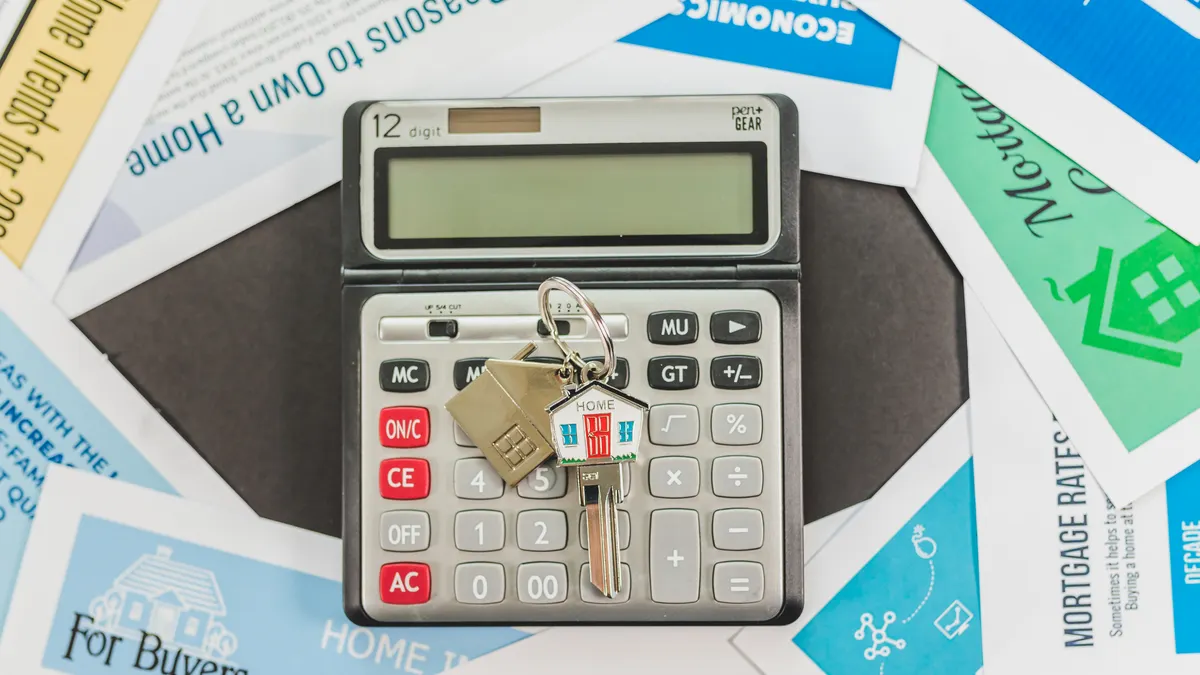
The cleanest way to estimate startup capital is to build the budget in five parts and then add a reserve. The result is usually more honest than a single “I need $50,000” answer, because it shows where the money goes.
-
Estimate your down payment.
The amount depends on your loan terms and the deal structure. A cash purchase has no loan down payment, but most financed deals require cash up front. The result is the first check you must be able to write. -
List closing costs on the purchase.
These can include title charges, recording fees, lender fees, appraisal fees, inspection costs, and prepaid items. The result is the total cash needed just to get the keys. -
Build the repair budget.
Break the work into exterior, interior, mechanical, and cosmetic items. A roof, HVAC, or plumbing issue changes the number quickly. The result is the money needed to make the property marketable. -
Calculate holding costs for the projected timeline.
Include the mortgage payment if you have one, taxes, insurance, utilities, lawn care, and any HOA dues. The result is the monthly burn multiplied by the number of months you expect to hold the house. -
Add a contingency reserve.
Keep a separate cushion for price overruns, change orders, and a slower sale. The result is the cash that saves you when the plan shifts.
A simple formula helps: cash needed = down payment + closing costs + repairs + holding costs + contingency reserve. That formula is crude, but it is better than the usual mistake, which is focusing on purchase price and ignoring the rest. If the project needs $30,000 in repairs and another $1,500 a month to hold, a “cheap” house can still be expensive to start.
How much cash do you need in each bucket?
The amount in each bucket depends on the property, the market, and your financing, but the buckets themselves do not change. Here is what each one really means in practice.
Down payment is the money required to control the property. On a financed flip, this is often the largest upfront cash item. It is not the same as your total equity or your total project cost. A low purchase price with strict lending terms can still demand a serious amount of cash at closing.
Closing costs are the fees that appear at the settlement table. Think title insurance, recording, attorney or escrow fees, lender fees, and prepaids. Some buyers also overlook inspection fees and appraisal fees because they happen before closing. Those costs are real startup capital, even if they feel small compared with the renovation.
Repairs are where first-timers usually undercount. Cosmetic work is easy to picture: paint, flooring, fixtures, landscaping. The expensive part is the hidden stuff: electrical problems, roof leaks, water damage, outdated plumbing, or code issues. Even a modest flip can swallow more cash than the listing photos suggest.
Holding costs are the slow leak in the budget. They include mortgage payments if you have them, property taxes, insurance, utilities, lawn service, pest control, and any HOA dues. If the project lasts 4 months instead of 2, those costs double.
Contingency reserve is the money you do not want to spend but absolutely need to have. If the house needs $12,000 in repairs, a reserve keeps you from stalling when the plumber finds a second problem behind a wall. Without it, a project can stop for lack of a few thousand dollars.
This is why two people can buy houses at the same price and need very different startup capital. One may buy a nearly clean property with light cosmetic work. Another may buy a discount house with a bad roof, two months of carrying costs, and a permit delay. The headline price tells only part of the story.
A practical way to estimate the number before you make an offer
The fastest way to avoid guessing is to run the deal backward from the cash you have on hand and the time you expect to hold the property. That gives you a usable ceiling before you start shopping.
-
Set your maximum cash exposure.
Decide the amount you can lock up without hurting your personal finances. If that ceiling is $75,000, treat it as a hard limit, not a target. If you are unsure, consult a qualified financial or real estate professional before deciding on a limit. -
Estimate the holding period in months.
Use 3 months, 6 months, or longer, depending on the amount of work and the market. The longer the hold, the larger the startup capital need. -
Price the monthly burn.
Add mortgage, taxes, insurance, utilities, and upkeep into one monthly figure. Multiply that by the hold period. The result is the cost of time. -
Reserve a separate contingency amount.
Keep a buffer that you do not count on spending unless the project goes sideways. That cushion protects the whole deal. -
Back into the maximum offer.
Subtract the total cash you need for down payment, repairs, closing costs, holding costs, and reserve from your limit. The remainder is what the deal can safely absorb.
This approach works because it forces you to respect the ugly parts of the flip. A house that looks cheap can still be a bad buy if it eats too much cash before it sells. The mistake to avoid is using all available money for the purchase and hoping the renovation stays tidy. That leaves no room for a delay, a failed inspection, or one expensive surprise.
For cost estimation methods, this page is not the right place. It is enough to say that the repair line should be conservative and that you should pad it rather than shave it.
What first-time flippers usually forget
First-time flippers usually forget the expenses that do not show up in the listing, and those missed items are what make a project feel tighter than expected. The common misses are predictable.
Permit costs and inspection delays can add both money and time. If a project requires permits, the clock may keep running while you wait. That means more holding costs before you ever reach the sale stage.
Utilities on an empty house are easy to ignore. A vacant property still needs power, water, and sometimes gas. If the HVAC system must stay on to prevent moisture problems, the utility bill becomes part of the flip cost, not an optional extra.
Dumpster and cleanup fees often arrive early. Demo creates volume fast, and a house with years of clutter can require hauling before the real work starts. That expense can take a bigger bite than expected.
Insurance differences matter too. A vacant house may not be insured the same way an owner-occupied home is. If the policy changes, the premium can rise, and the coverage terms can tighten. For more on general consumer protections and insurance basics, see the [Consumer Financial Protection Bureau]https://www.consumerfinance.gov/ and the [Federal Trade Commission]https://www.ftc.gov/.
Selling costs are the final blind spot. Even after the renovation is done, the house still needs to sell, and that can mean agent commissions, staging, transfer taxes, and buyer concessions depending on the market. Those are not startup expenses in the strictest sense, but they affect how much cash you should keep in the project.
The cost of forgetting these items is not just a bigger budget. It is lost leverage. When cash gets tight, a seller loses flexibility on pricing, timing, and repairs. The better move is to assume the project will cost more, take longer, and require at least one extra round of spending before it closes.
For a general grounding in the strategy, the article on what is house flipping belongs upstream of this one. This page is about the money you need to begin, not the whole business model.
How much should you keep in reserves?
You should keep enough in reserves to cover a real delay and one meaningful surprise, not just a token leftover amount. For a flip, the reserve should be separate from the repair budget so you do not spend it on the first wave of work.
A practical reserve has two jobs. First, it handles overruns: the floor under the old carpet, the broken appliance, the permit that takes longer than expected. Second, it protects the schedule. If a contractor disappears for 10 days or a sale stalls for 30 days, the reserve keeps the project moving.
A weak reserve is one that looks large on paper but gets spent too early. If the whole budget is $40,000 and the reserve is only $1,000, that is not much of a buffer. A project can blow through that with a single change order. A stronger reserve is one that you treat as untouchable unless the project truly needs it, and a professional adviser can help you decide what “untouchable” means for your situation.
The cleanest rule is simple: if spending the reserve would force you to borrow again or halt the project, the reserve is too small. A first-time flipper should be especially careful here, because the first project often has the most unknowns. A seasoned operator may tolerate a tighter cushion. A new flipper usually should not.
This is also where honest trade-offs matter. Bigger reserves reduce risk, but they also reduce how many deals you can do. Tighter reserves let you buy more aggressively, but they raise the odds of stress and stalled work. If the only way a deal works is by spending every dollar to the edge, it is probably the wrong deal.
Who this is not for
This approach is not for anyone trying to start with near-zero cash and no access to extra funds. House flipping is a capital-heavy strategy, and the startup money has to exist before the property does the work of earning it back. If the budget only works when every assumption is perfect, the deal is fragile.
It is also not for people who want a shortcut through the risk. A flip can look simple from the outside because the final product is visible: a cleaned-up house with fresh paint and a new sale price. The stress sits underneath that surface, in the time gaps and surprise costs. Startup capital is what pays for those gaps.
The better fit is a buyer who can hold cash back, tolerate a slower timeline, and fund the project without depending on the sale date to save the budget. That is the difference between a manageable flip and a scramble.
For funding strategy, loan types, and lender terms, a separate article should handle how to finance a house flip. This page stays on the question a first-time reader needs answered first: how much money to have ready before starting.
Key Takeaways
- Startup capital for a flip is more than the purchase price; it is the cash needed to buy, repair, and carry the property.
- The four costs that usually matter most are the down payment, closing costs, repairs, and holding costs.
- A contingency reserve is not optional if the goal is to avoid stopping mid-project.
- A cheaper house can still require more startup cash than a pricier one if it needs heavy work or takes longer to sell.
- If the plan only works with no surprises, the budget is too thin.
How much cash do i need to flip a house
You need enough cash to cover your down payment, closing costs, repairs, holding costs, and a contingency reserve. The exact amount depends on the property and your financing, but the real answer is the total cash you must bring before the house sells. If you ignore carrying costs or reserves, the number will be too low.
Can you start flipping houses with little money
You can start with less money only if the deal structure leaves most costs off your balance sheet, and even then the risk is higher. Little cash usually means less room for repairs, longer hold times, or mistakes. That is why thin-capital flips are fragile. If the budget fails by a few thousand dollars, the project can stall.
What are holding costs in a flip
Holding costs are the expenses that keep running while you own the house. They usually include mortgage payments, property taxes, insurance, utilities, and basic upkeep. If the flip takes 4 months instead of 2, those costs rise with time. They are one of the biggest reasons startup capital needs more than just a purchase down payment.
How much should i keep in reserves
Keep enough in reserve to handle a meaningful overrun or delay without stopping the project. The reserve should be separate from the repair budget and large enough that one surprise does not force a panic decision. If spending it would break the deal, the reserve is too small for the risk you are taking.
Drafted with AI; not yet reviewed by a person.
