
 By Starter Flipping Team
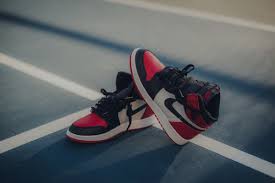
Finding rare sneakers can be exciting. Sometimes, you want a special pair for yourself. Other times, you might see an opportunity to get a great deal.
This happens a lot with popular, limited-edition shoes. People call this “sneaker flipping.” It can sound tricky, but it’s a way some folks make money. We’ll break down how it works.
You’ll learn the steps involved. We’ll cover finding shoes and selling them. It’s about knowing the market and being quick.
Let’s get started on this guide.
Sneaker flipping is the practice of buying limited-edition or high-demand sneakers at retail price and then reselling them for a profit. This often involves understanding release dates, using bots or quick clicking skills, and knowing the resale market value to identify profitable opportunities.
What is Sneaker Flipping?
Sneaker flipping is all about timing and knowledge. It’s buying shoes that are hard to get. Then, you sell them to someone who really wants them.
These aren’t just any shoes. They are special releases. Think of shoes from famous athletes or designers.
They often sell out fast. This creates demand. When demand is high and supply is low, prices go up.
Flippers try to be the first ones to buy. They then sell them for more than they paid. It’s a quick way to make money.
But it needs careful planning.
Why do people do this? Some love sneakers. They want to wear cool shoes.
Others see it as a business. They want to earn extra cash. It’s like collecting.
But instead of art, it’s shoes. The market for sneakers is huge. Many people want the latest trends.
This makes flipping possible. It’s a popular hobby. It’s also a way to make a living for some.
Understanding the hype is key. The right shoe can sell very quickly.
My First Sneaker Flip: A Lesson in Panic
I remember the first time I tried to flip a shoe. It was a big deal. Everyone was talking about the “Travis Scott Dunks.” They looked amazing.
I really wanted a pair for myself. But I also heard they would be worth a lot more later. So, I decided to try.
The release day came. I had my alarm set super early. I was on the website waiting for the clock to hit release time.
My heart was pounding. It felt like a video game.
When the shoes dropped, the site froze. Then it crashed. I clicked and clicked.
Nothing happened. Finally, a page loaded, but it said “Sold Out.” I was so frustrated. I felt defeated.
I thought I missed my chance. Then, I saw a notification. Another site was doing a restock in an hour.
I rushed over. This time, I was faster. I actually got through the checkout.
I bought a pair in my size. I felt so relieved and excited. I had my shoes.
Now, what about selling?
Navigating the Sneaker Release Process
Getting a pair of hyped sneakers is often the hardest part. Brands like Nike, Adidas, and Jordan release special shoes in limited quantities. These are called “drops.” You usually can’t just walk into a store and buy them.
Instead, you have to enter online raffles or try to buy them on release day through specific websites. Many people are trying to buy the same shoe at the same time. This is why sites crash.
It’s a digital battle.
Online Raffles: Many retailers use raffles. You enter your name. If you win, you get a chance to buy the shoes.
This is fairer for many people. It stops bots from buying everything. You have to enter many raffles.
Some are from big stores. Others are from smaller boutiques. It’s a good way to increase your chances.
Always read the rules carefully. Some raffles are for local pickup only.
First-Come, First-Served (FCFS) Releases: These are the most intense. The shoes go on sale at a specific time. You have to be ready.
Websites often use queues. You wait in line digitally. The faster you get in, the better your chance.
Sometimes, people use “bots.” These are computer programs. They can buy shoes much faster than humans. Many brands try to stop bots.
But it’s an ongoing fight. Being fast and lucky is key here.
Sneaker Release Checklist
Before the Drop:
- Know the release date and time.
- Identify all the retailers releasing the shoe.
- Set up accounts on those retailer websites.
- Save your payment and shipping info.
- Research the shoe’s resale value.
During the Drop:
- Be logged in and ready.
- Enter any raffles immediately.
- Try FCFS releases on multiple devices if allowed.
- Don’t give up easily!
After the Drop:
- Secure your purchase.
- Confirm shipping details.
- List the shoe for sale if flipping.
Understanding Sneaker Hype and Value
Not all sneakers become valuable. The “hype” is a mix of things. Collaborations with celebrities or famous brands are huge.
Think about a shoe designed by your favorite musician. That adds major appeal. Unique designs and colorways also matter.
Sometimes, a shoe becomes popular because a famous person wore it. This can boost its value overnight. It’s about more than just the shoe itself.
It’s the story behind it. It’s the exclusivity.
Factors Affecting Value:
- Brand and Model: Jordan, Yeezy, Nike Dunks, and Air Force 1s are consistently popular.
- Collaboration: Shoes made with artists, designers, or other brands often command higher prices.
- Colorway: Certain color combinations are more sought after than others.
- Condition: Brand new, never-worn shoes (“deadstock”) are worth the most.
- Size: Popular sizes (like men’s 9-11 in the US) usually sell best.
- Rarity: The fewer pairs made, the higher the potential resale value.
You need to check what a shoe is selling for. Use resale websites. Look at sites like StockX, GOAT, and eBay.
Search for the exact shoe and size. See the recent sales prices. This tells you the “market value.” This number can change.
It goes up and down. Prices can be highest right after release. They might drop later.
Or they might keep climbing if the shoe stays popular.
Myth vs. Reality in Sneaker Flipping
Myth: Any limited sneaker will make you rich.
Reality: Only certain models and brands gain significant value. Research is crucial.
Myth: You need expensive software to buy shoes.
Reality: While bots exist, many successful flippers use manual methods and good strategy.
Myth: Sneaker flipping is easy money.
Reality: It requires time, effort, research, and dealing with competition and market fluctuations.
Where to Buy Sneakers for Flipping
The primary place to try and buy is from the brand or authorized retailers. This ensures you get authentic shoes at retail price. If you buy from anywhere else, you risk buying fakes.
Or you might pay more than retail. This defeats the purpose of flipping.
Primary Retailers (U.S.):
- Nike (SNKRS app, Nike.com)
- Adidas (Adidas app, Adidas.com)
- Jordan Brand (SNKRS app, Nike.com)
- Foot Locker
- Champs Sports
- Finish Line
- JD Sports
- Concepts
- Kith
- BAIT
- Social Status
- Undefeated
These stores often have online releases. Some also have physical stores. They might do in-store raffles or first-come, first-served lines.
It’s best to check each store’s policy. Many small boutiques also get limited releases. Following them on social media is smart.
They announce their drops there. You can also find smaller retailers. They might have less competition.
Be Wary of:
- Unverified sellers on social media.
- Websites that look suspicious.
- Deals that seem too good to be true.
Buying from these places can lead to losing money. It can also lead to getting fake shoes. Always prioritize buying from trusted sources.
This is the first step in building trust for your own sales later.
Selling Your Sneakers for Profit
Once you have your shoes, the next step is selling them. You want to get the best price possible. There are several popular platforms.
Each has its pros and cons.
Resale Marketplaces:
- StockX: This is a popular platform. You list your shoes. Buyers make offers. It uses a “stock market” model. They verify every shoe. This means you get authentic items. Fees are charged.
- GOAT: Similar to StockX. GOAT also verifies shoes. They have a large buyer base. Fees are also involved.
- eBay: A classic. You can set your price. You can do auctions or fixed prices. More people might see your listing. But there’s a risk of scams. You need to be careful about buyers.
Social Media:
- Instagram: Many sellers use Instagram. You post pictures. You use hashtags. Buyers contact you through DMs. You often arrange payment via PayPal. This can have lower fees. But it’s less secure. You need to build trust.
- Facebook Groups: There are many sneaker buy/sell groups. These can be good for local sales. Or for niche markets. Again, trust is key.
When listing your shoes, be honest. Take clear, good photos. Show the shoes from all angles.
Include pictures of the box. If there are any flaws, mention them. This builds trust.
It prevents problems later. Describe the shoe accurately. Include the exact model name and size.
Quick-Scan Profit Calculator
Purchase Price: $150
Selling Price: $250
Gross Profit: $100
Fees (Estimate 10%): $25
Shipping Cost: $15
Net Profit: $60
Always factor in all costs!
Shipping and Handling Your Sneakers
Shipping is a critical part of the process. You need to pack your shoes well. You want them to arrive safely.
This protects your profit. And it keeps the buyer happy.
Packaging:
- Use a sturdy shipping box. A double-boxed approach is best. Put the shoe box inside a larger shipping box.
- Fill any empty space with packing paper or bubble wrap. This stops the shoe box from moving around.
- Tape the box securely. Use strong packing tape.
Shipping Labels:
- Print your shipping label clearly. Use a service like USPS, UPS, or FedEx.
- Always get tracking information. Share this with the buyer.
- Consider shipping insurance. This is especially important for expensive shoes. It protects you if the package is lost or damaged.
Shipping Costs:
- Decide who pays for shipping. Some sellers offer “free shipping.” They build the cost into the shoe price. Others charge the buyer.
- Calculate shipping costs accurately. Use online calculators from carriers.
- Be aware that international shipping is more complex and expensive.
Most resale platforms have their own shipping guidelines. Follow them closely. For example, StockX requires you to ship within a certain time frame.
They also have specific packaging rules.
The Legal and Ethical Side of Flipping
Sneaker flipping is generally legal. It’s like reselling any other item. However, there are some gray areas.
Some brands don’t like people buying their products just to resell them. They might try to limit bulk purchases. Or they might cancel orders they think are for flipping.
Authenticity: This is the most important. Never try to sell fake sneakers. This is illegal and unethical.
It can ruin your reputation. Always buy from legitimate sources. And use trusted authentication services when selling.
Taxes: If you make money flipping sneakers, you probably need to pay taxes on it. Keep good records of your buying and selling prices. Consult a tax professional.
This is important for U.S. tax laws.
Bots: Using bots is a hot topic. Many brands and retailers ban them. Using a bot might violate their terms of service.
This could lead to your accounts being banned. It also creates an unfair advantage. Many people in the community see it as cheating.
Scams: Be aware of scams. Buyers might try to claim shoes were not as described. Or they might send back fakes.
Sellers might take money and never send shoes. Always use secure payment methods. Use platforms with buyer and seller protection.
Always document everything.
Building Your Sneaker Flipping Business
To be successful, think of this as a business. It needs planning. It needs organization.
Develop Expertise: Learn about different brands. Follow sneaker news. Know which shoes are coming out.
Understand what makes a shoe desirable. The more you know, the better your chances.
Build a Network: Connect with other collectors and flippers. Join online communities. Share information.
You can learn a lot from others. Sometimes, you can even find good deals through your network.
Manage Your Finances: Keep track of every dollar. Know your costs. Know your profits.
Reinvest some of your earnings. This can help your business grow. Don’t spend all your profit right away.
Stay Patient: Not every flip will be a home run. Some shoes might not sell as quickly as you hoped. The market can be unpredictable.
Patience is key. Learn from your mistakes. Keep trying.
Key Takeaways for Aspiring Flippers
- Research is King: Know the market value and hype before buying.
- Authenticity Matters: Always buy from trusted sources.
- Be Quick and Prepared: For online releases, speed is essential.
- Accurate Selling: Honest descriptions and good photos build trust.
- Manage Costs: Factor in fees, shipping, and taxes.
- Patience Pays Off: The market has ups and downs.
Common Pitfalls to Avoid
Many new flippers make mistakes. Here are some common ones to watch out for.
1. Buying Without Research: Don’t just buy a shoe because it’s limited. You need to know if it will actually sell for more.
Check resale prices first.
2. Overpaying: Sometimes, the resale price isn’t much higher than what you paid. Or it might even be lower.
This means no profit. Or a loss.
3. Ignoring Fees: Resale sites and payment processors charge fees. These eat into your profit.
Always calculate them before you buy.
4. Poor Packaging: If a shoe arrives damaged, the buyer might return it. Or leave a bad review.
This can cost you money and reputation.
5. Selling Fakes: This is a big no-no. Always be sure of authenticity.
If you’re unsure, don’t buy or sell it.
6. Not Tracking Expenses: If you don’t know your costs, you don’t know your profit. Keep records of everything.
7. Getting Discouraged: It takes time to learn. Some releases are harder than others.
Don’t give up if your first few attempts don’t work out.
The Future of Sneaker Flipping
The sneaker market is always changing. New brands and styles emerge. Technology plays a bigger role.
Things like NFTs and the metaverse might connect with sneakers. This could create new ways to buy and sell. But the core idea will likely stay the same.
People want cool, rare shoes. And others will want to help them get them. It will remain a dynamic space.
Some predict more regulation. Brands might get better at stopping bots. Or they might create more direct-to-consumer models.
This could make flipping harder. But there will always be a demand for exclusive items. And where there’s demand, there will be a market.
It’s a game of staying informed. It’s about adapting to new trends.
When is Sneaker Flipping Not Worth It?
Sneaker flipping isn’t always the best idea. It’s important to know when to step back. If the market is flooded with a certain shoe, prices can drop.
This happens when a brand makes too many pairs. Or when too many people try to flip the same shoe.
Also, consider the time you put in. If you spend hours trying to get a shoe. Then more hours listing and shipping it.
But only make a few dollars profit, it might not be worth it. Your time is valuable. Think about what else you could do with that time.
Sometimes, a shoe might be too difficult to get. If the only way to buy it is through a very strict raffle. Or if it sells out in seconds on a buggy website.
The effort might outweigh the reward. It’s about finding the right balance. For many, the thrill of the chase is part of it too.
But always keep your financial goals in mind.
Are Sneaker Flippers Bad for the Sneaker Community?
This is a question people often debate. Some sneakerheads feel that flippers ruin the culture. They argue that flippers buy shoes just to make money.
They don’t care about the art or history. This can make it harder for real fans to get shoes they love. Especially for shoes that are very popular.
Others argue that flippers are just part of the market. They provide a service. They connect buyers and sellers.
They help set fair market prices. And many flippers are also passionate collectors. They understand the value of sneakers.
They might even contribute to the culture by sharing knowledge.
Ultimately, it’s a complex issue. There are good and bad actors in any market. It’s best to focus on your own practices.
Be ethical. Be transparent. And contribute positively to the community if you can.
FAQs About Sneaker Flipping
Is it legal to flip sneakers?
Yes, it is generally legal to buy and resell sneakers. It’s similar to reselling any other item you’ve purchased. However, be aware of tax implications on your profits.
Also, be mindful of any terms of service violations when using bots or specific platforms.
How much money can I make flipping sneakers?
The amount of money you can make varies greatly. It depends on the shoes you flip, market demand, and your selling strategy. Some people make a few dollars per pair, while others can earn hundreds or even thousands.
Consistent profits require research and effort.
What is the best platform to sell sneakers on?
The best platform depends on your goals. StockX and GOAT offer security and reach many buyers but have fees. eBay offers more flexibility but requires more seller diligence.
Instagram and Facebook groups can offer lower fees but involve more risk and require building trust.
Do I need to be a sneaker expert to flip?
While deep expertise helps, you don’t need to be a lifelong collector. You do need to be willing to learn. Researching specific releases, checking market values, and understanding brand popularity are essential steps for any flipper.
What are common sneaker fakes to watch out for?
Common fakes often have poor stitching, incorrect logos, cheap materials, or bad color matching. Always compare a shoe to confirmed authentic pairs online. Reputable resale platforms like StockX and GOAT authenticate shoes to prevent fakes from being sold.
How do I handle returns when flipping sneakers?
Most platforms have return policies. If you sell on StockX or GOAT, they handle many buyer disputes. If you sell directly, clearly state your return policy upfront.
Always document the condition of the shoes before shipping. Be prepared for potential returns.
Conclusion
Sneaker flipping can be a rewarding venture. It combines passion with profit. Success comes from smart planning.
It requires understanding the market. Be ethical in your dealings. Do your research.
And be patient. With practice, you can learn to navigate the exciting world of sneaker resale.
