
 By Starter Flipping Team
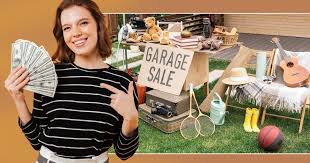
What Is Garage Sale Flipping?
Garage sale flipping is a popular side hustle. People visit garage sales or yard sales looking for items. They buy things cheap.
Then, they sell these items online or elsewhere for more money. This makes a profit. It’s a way to make extra income.
Think of it like a detective. You are searching for clues. These clues are good deals.
You want to find things that others overlook. These items have value. They just need a new home.
And a new price tag.
My First Flipping Adventure: A Coffee Table Story
I remember my very first attempt at flipping. It was a sunny Saturday. I drove to a neighborhood sale.
The house was packed with stuff. Boxes overflowed. Everything seemed a bit dusty.
I felt a little lost, honestly. Then, I saw it. Tucked away in a corner was a small, wooden coffee table.
It was dark wood. It had a neat design on the top. It looked a bit old-fashioned.
But it felt sturdy. I picked it up. It was heavy.
The seller said, “Five dollars.” I hesitated. Was it really worth anything? I bought it.
I felt a mix of hope and doubt.
Getting it home was a challenge. It was heavier than it looked. I wiped it down.
I saw some minor scratches. I took some pictures. I listed it online for $30.
I didn’t expect much. Within a day, someone messaged me. They loved the style.
They said it was exactly what they needed. They came and picked it up. I was so excited!
That $5 table gave me $25 profit. It felt amazing. It showed me the potential of this hobby.
Finding Your First Treasures: Quick Scan
Look for:
- Wooden furniture
- Brand-name clothing (new or like new)
- Books (popular authors, sets)
- Toys and games (complete sets)
- Home decor items
- Tools and hardware
Where to Find Garage Sales
Garage sales happen all over. Many towns have them. Especially in spring and summer.
Look for signs on weekends. Check local social media groups. Sometimes, newspapers list them.
Many apps help you find sales. Drive around your neighborhood. Many sales are advertised with balloons or signs.
Early bird gets the worm. Arriving early is key. This is when the best items are available.
Sellers are often more flexible on price then. They want to sell. They have a lot of things.
They don’t want to take it all back. So, be there when the sale starts.
What to Look For: Items With Profit Potential
Not everything at a garage sale is a good flip. You need to know what sells. Furniture is often a great choice.
Wooden pieces, especially. Tables, chairs, dressers. If they are solid wood, they can be great.
Even if they need a little work. A new coat of paint or stain can transform them.
Clothing is another big area. Look for quality brands. Think about brands like Nike, Adidas, Lululemon.
Or designer names if you can spot them. Check the condition carefully. No stains.
No holes. If it’s like new, it’s a good find.
Toys can be very profitable. Especially vintage toys. Or popular toys that are now rare.
Make sure they are complete. Check for all the pieces. Games are similar.
Complete board games are valuable. Especially if they are popular or out of print.
Books can be a good deal too. Look for popular authors. Hardcover books often sell better.
Collectible books are gold. Sets of books can be worth money. Check if they are complete sets.
Home decor is hit or miss. Some decorative items are very popular. Unique lamps.
Nice wall art. Vases from good brands. But be selective.
Lots of decor is mass-produced and doesn’t fetch much.
Popular Flippable Categories
Furniture
Solid wood pieces
Clothing
Quality brands, like new
Toys
Vintage, complete sets
Books
Popular authors, sets
How to Inspect Items Before You Buy
This is where you avoid buying junk. Always pick items up. Feel their weight.
Solid items are usually better. Check for damage. Scratches on furniture.
Stains on clothes. Broken parts on toys. Look closely.
For electronics, ask if they work. If possible, try them out. Batteries might be needed.
If you can’t test it, be cautious. Be aware of what you’re buying.
For clothing, check seams. Check zippers and buttons. Turn it inside out.
Look for wear and tear. Especially in the underarm areas. Or the knees of pants.
Research is your friend. If you see something interesting, check your phone. Use Google Lens or do a quick search.
See what similar items are selling for. This helps you make a quick decision.
Negotiating Prices Like a Pro
Garage sales are all about bargaining. Don’t be afraid to offer less. Start lower than you think.
Most sellers expect this. Be polite and friendly. A smile goes a long way.
Say something like, “Would you take $X for this?”
Bundle items. If you see several things you like, ask for a deal. “I’ll take these three items.
Can you give me a price for all of them?” Sellers often like selling multiple things at once.
Know when to walk away. If the price is too high, it’s okay. There will be other sales.
Don’t get stuck on one item. Sometimes sellers are firm. Respect that.
But don’t pay more than you’re comfortable with.
The end of the sale is often the best time to buy. Sellers are tired. They want to clear things out.
Prices can drop dramatically. You might get items for next to nothing. It’s worth a shot.
Negotiation Tips
Be Polite: Always be friendly and respectful.
Offer Lower: Start with a lower offer than you expect to pay.
Bundle Deals: Buy multiple items for a package price.
Timing is Key: Try late in the day for bigger discounts.
Know Your Limit: Don’t overpay. Be ready to walk away.
Cleaning and Preparing Your Finds
Once you buy something, it needs to be ready to sell. Cleaning is crucial. Dust off furniture.
Wash clothing. Wipe down toys. Make them look as good as possible.
Sometimes, a deep clean is all they need.
For furniture, you might need more. Sanding and refinishing. Or a fresh coat of paint.
This can really increase the value. Watch some DIY videos. Learn simple furniture repair.
Test electronics. Make sure they are in working order. Clean the ports.
Replace batteries if needed. Make sure they are factory reset if applicable.
For clothing, check for minor issues. Loose threads can be snipped. Small pilling can be removed with a fabric shaver.
These small things make a difference.
Pricing Your Items for Sale
This is where research pays off. How much are similar items selling for? Look on eBay, Facebook Marketplace, Poshmark.
Compare condition and brand. Price competitively.
Consider your costs. How much did you pay? How much time did you spend cleaning or fixing?
Factor this in. You want a good profit margin.
Don’t overprice. If your item sits for too long, you might have priced it too high. Be realistic about what the market will bear.
Sometimes, a slightly lower price leads to a faster sale. This means you get your money back quicker. You can then reinvest that money into more inventory.
Where to Sell Your Garage Sale Finds
Online platforms are popular. eBay is great for unique items. Antiques, collectibles, or things that ship easily.
Facebook Marketplace is good for local sales. Especially for larger items like furniture. You can reach many people.
Poshmark and Depop are good for clothing. Especially trendy or brand-name fashion. They have a built-in audience for these items.
Craigslist is another option for local sales. It’s straightforward. Just be safe when meeting buyers.
Some people even have their own small online shops. Like on Etsy. Or their own websites.
This takes more effort but can build a brand.
Selling Platform Quick Guide
eBay: Best for collectibles, unique items, shipping.
Facebook Marketplace: Great for local sales, furniture, quick cash.
Poshmark/Depop: Ideal for clothing, fashion items.
Craigslist: Simple local selling, diverse items.
Taking Great Photos is Key
Photos are your first impression. Use good lighting. Natural light is best.
Take pictures near a window. Or outside on a cloudy day. Avoid harsh shadows.
Show the item from different angles. Front, back, sides. Show any details.
Show the brand tag. Show any flaws clearly.
Use a plain background. A white wall or a simple cloth. This helps the item stand out.
Don’t use busy backgrounds. They distract the buyer.
Edit your photos slightly. Adjust brightness or contrast. Make them look clear and sharp.
But don’t over-edit. Make sure the colors are true to life.
Writing Effective Product Descriptions
Be honest and descriptive. Include the brand, size, color, and material. Mention any special features.
Describe the condition accurately. “Excellent used condition,” “Good vintage condition,” or “Has minor scratches.”
Use keywords people might search for. If it’s a “vintage floral dress,” use those words. Think like a buyer.
What would they type into the search bar?
Keep it clear and easy to read. Use short sentences. Break up text into paragraphs.
Bullet points can help too. Tell a little story if it adds value. For example, “This beautiful wooden bowl was handcrafted in the 1970s.”
Dealing with Buyers and Shipping
Respond to questions quickly. Be helpful and friendly. If selling locally, arrange safe meeting spots.
Public places are best. Meet during daylight hours.
Shipping can be tricky. Calculate costs carefully. Use a kitchen scale.
Get boxes and packing materials. Reuse packing materials when you can. Buy postage online.
It’s usually cheaper.
Package items securely. Protect them well so they don’t get damaged in transit. Double-check the buyer’s address.
Once shipped, provide tracking information. Keep buyers updated. Good service leads to good reviews.
Shipping Checklist
Measure & Weigh: Get accurate dimensions and weight.
Gather Supplies: Boxes, tape, bubble wrap, filler.
Calculate Cost: Use online shipping calculators.
Package Securely: Protect the item from damage.
Provide Tracking: Keep the buyer informed.
Common Mistakes New Flippers Make
One common mistake is buying too much. Getting caught up in the excitement. Buying things you don’t know will sell.
Stick to what you know or research.
Another mistake is underpricing. You found a gem, but you sell it for too little. Do your research.
Know the value.
Overpricing is also a mistake. Your item will just sit there. You’ll get frustrated.
Be competitive.
Not cleaning items properly. A dirty item just looks bad. Buyers will pass it over.
Make it shine.
Failing to take good photos. This is a huge one. Great photos can sell a mediocre item.
Bad photos can kill a great item.
When Is an Item NOT Worth Flipping?
If an item is broken beyond repair. Or very difficult to fix. Don’t buy it unless it’s incredibly rare and valuable.
And you know how to fix it.
If it’s a very common item. With thousands of others for sale. And no real demand.
It will be hard to sell.
If the asking price is too high. Even if you think it has potential, if the seller won’t budge. It might not be worth the risk.
If the item has a strong, unpleasant smell. Like smoke or mildew. It can be very hard to get rid of.
Unless it’s a very valuable antique.
If you don’t know what it is. And can’t find any information about it. It might be best to leave it.
Or buy it very, very cheap.
What This Means for Your Garage Sale Trips
It means being prepared. Have your phone charged. Know what you’re looking for.
Have a budget. Be ready to negotiate. Look at every item critically.
It means being patient. Not every sale will be a goldmine. Some days you find nothing.
That’s okay. Keep going. You’ll learn with each trip.
It means being smart about where you sell. Choose the platform that fits the item best. Good photos and descriptions are vital.
Honest communication builds trust.
Ultimately, it means turning potential into profit. That dusty item in the corner could be your next big seller. It’s about seeing the value others miss.
And giving that value a new life.
Quick Fixes for Common Item Issues
Scratched Wood: Use furniture polish or a repair crayon. For deeper scratches, light sanding and a bit of stain can work wonders.
Dingy Fabric: Spot treat stains with mild detergent. For most clothes, a wash cycle does the trick. For upholstery, a fabric cleaner spray can help.
Loose Buttons/Seams: A needle and thread can fix these easily. It takes minutes but makes an item look much better.
Dirty Electronics: Use a soft cloth and some isopropyl alcohol for cleaning surfaces and ports. Compressed air can clean out dust from vents.
Faded Colors: For clothes, sometimes a vinegar soak can help revive colors. For furniture, a fresh coat of paint or stain is the best solution.
Frequently Asked Questions About Garage Sale Flipping
Is garage sale flipping legal?
Yes, garage sale flipping is completely legal. You are buying items legally and then reselling them. There are no specific laws against it, as long as you are truthful in your listings.
How much money can I make garage sale flipping?
The amount you can make varies greatly. Some people make a few dollars here and there. Others turn it into a full-time income.
It depends on how much time you put in, what you find, and how effectively you sell.
Do I need a special license to flip items from garage sales?
Generally, no, you don’t need a special license for casual flipping. However, if you start doing it on a very large scale and it becomes your primary business, you may need to check local business licensing requirements and report income for taxes.
When is the best time of year for garage sale flipping?
Spring and summer are usually the busiest times for garage sales. This is when people are most likely to clean out their homes and have sales. However, you can find sales year-round in some areas, especially in warmer climates.
How do I deal with difficult sellers at garage sales?
If a seller is difficult, the best approach is to remain polite and calm. If they are unwilling to negotiate or are rude, it’s often best to simply move on. There are many other sales and opportunities.
What if I buy something and can’t sell it?
If an item doesn’t sell, you have a few options. You can lower the price further, try a different selling platform, donate it, or even try to sell it in a bundle with other items. Sometimes, it’s a learning experience for what to avoid in the future.
Final Thoughts on Your Flipping Journey
Garage sale flipping can be a fun and rewarding way to earn extra money. It’s a skill that gets better with practice. Start small.
Learn as you go. Enjoy the hunt!
